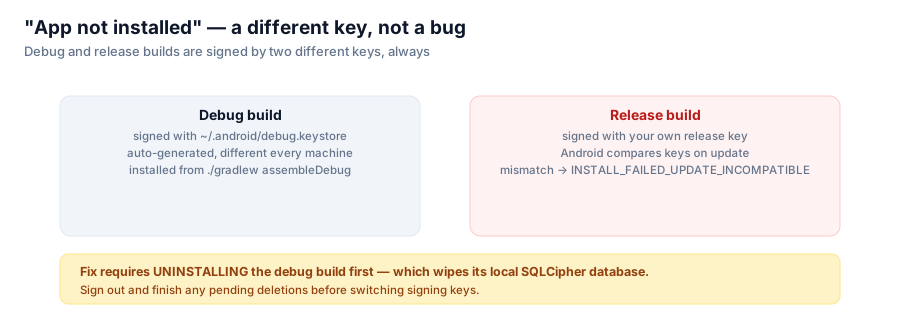
android The Signing Mismatch That Fails With "App Not Installed" and Wipes Your Data Debug and release builds of an Android app are signed with two entirely different keys by default. The first time you switch from one to the other on the same device, the install fails — and the fix wipes your local data.
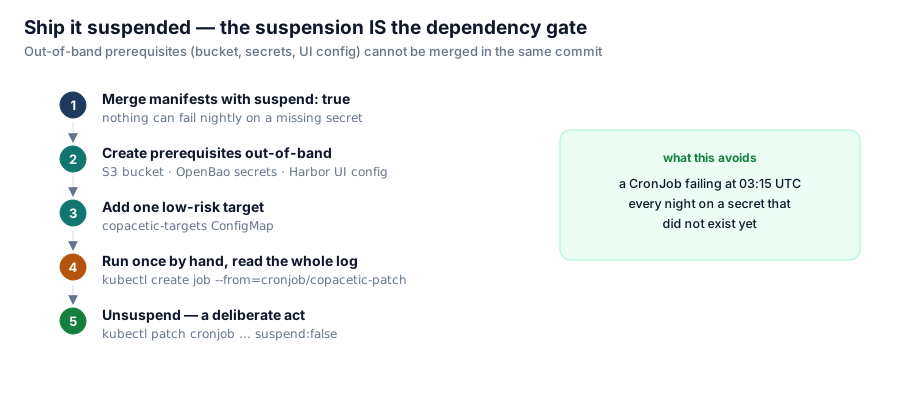
gitops Deploy a Suspended CronJob, Run It Once, Then Trust the Schedule A nightly job against a fresh secret is how you get pager noise at 03:15 UTC. The GitOps-safe order: deploy suspended, verify by hand, then unsuspend.
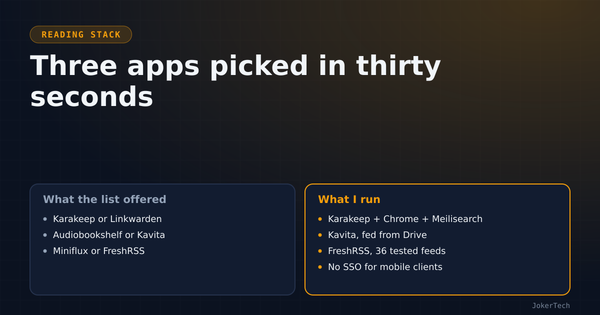
self-hosting Bookmarks, feeds and books on one VPS, and how little I compared Why my reading stack is Karakeep, FreshRSS and Kavita, what the choice really rested on, and the parts I still haven't tested.
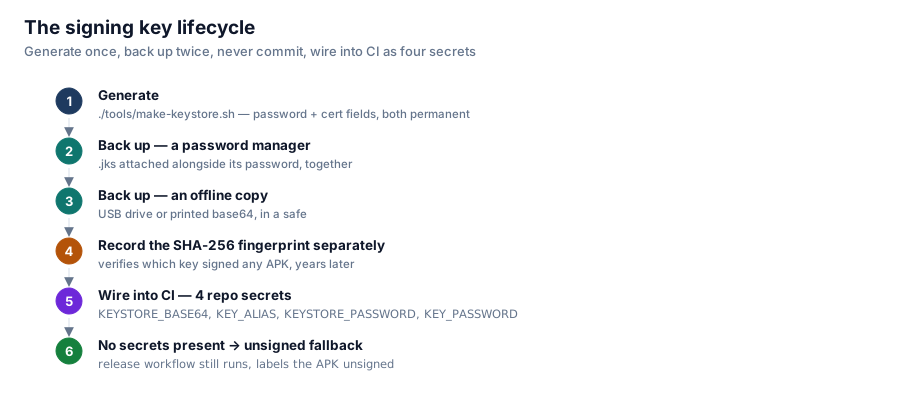
android The Signing Key Lifecycle: Generate, Back Up, Never Commit, Wire Into CI Losing an Android release signing key means every future update is permanently impossible. Here is the full lifecycle: generate once, back up twice in different failure domains, and wire four secrets into GitHub Actions with an unsigned fallback for forks.
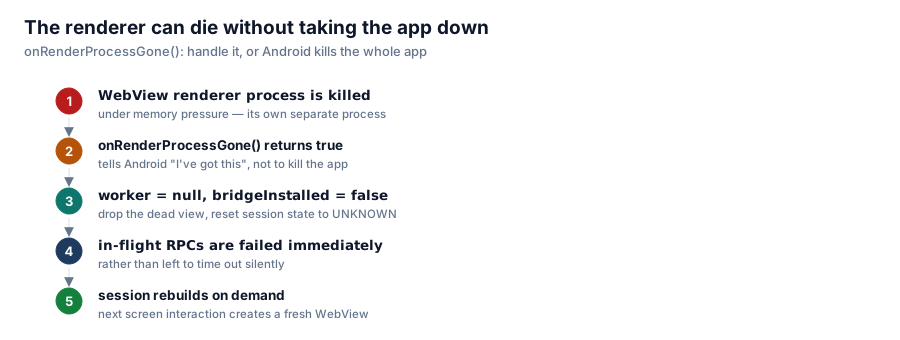
android Handling WebView Renderer Death Instead of Pretending It Won't Happen Android's WebView runs its rendering in a separate process that can be killed under memory pressure at any time. Ignore that and the whole app dies with it. GPhotosSession.kt treats it as a routine, recoverable event.
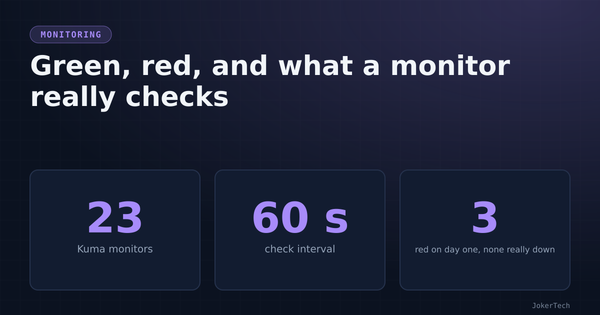
self-hosting Uptime Kuma on a single VPS: 23 monitors, three red, and why How I set up Uptime Kuma for a one-box self-hosted stack, which endpoints I point it at, how alerts reach my phone, why three monitors went red without anything being down, and the DNS app I kept off the box.
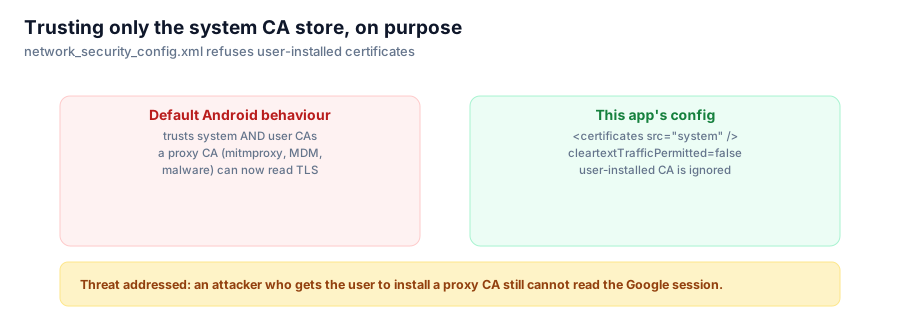
android Rejecting User-Installed CAs to Defeat Proxy Interception Android trusts user-installed certificates by default, which is exactly what lets a proxy CA read your TLS traffic. Photo Cleaner's network security config opts out of that default entirely.
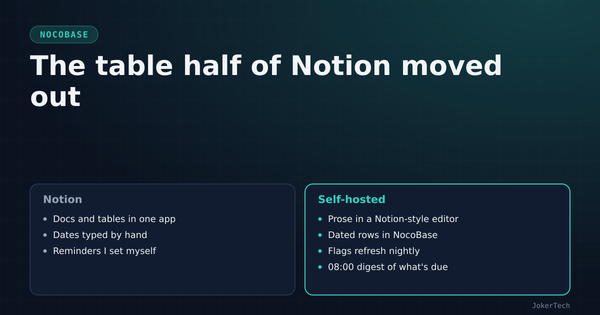
self-hosting I asked for a Notion clone and ended up living in NocoBase Why the database half of my Notion habit moved to a self-hosted NocoBase instead of a Notion look-alike, and what a day of building on it actually produced.
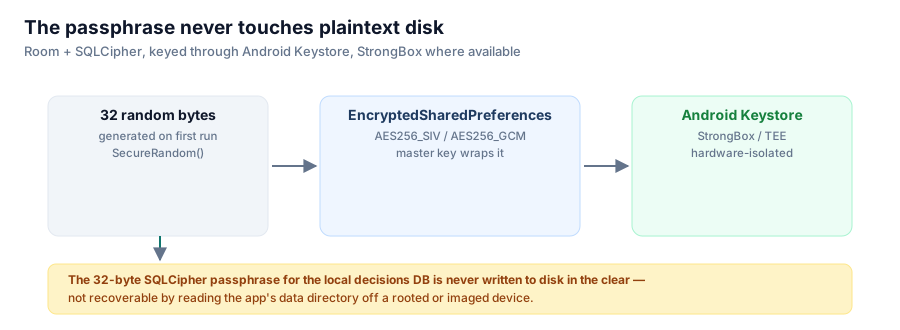
android An Encrypted Local Database Backed by the Phone's Secure Hardware Photo Cleaner's keep/delete decisions live in Room over SQLCipher, keyed by a passphrase that never exists in plaintext on disk — wrapped by a StrongBox-backed Android Keystore key when the device has one.
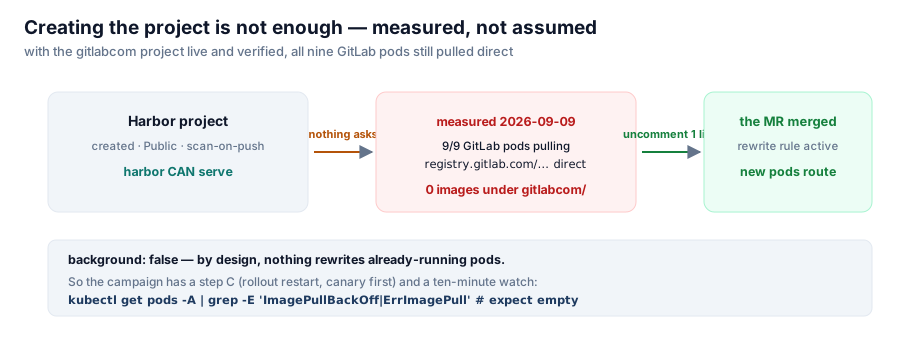
kubernetes Creating the Project Is Not Enough: Measuring the Gap Between Can and Does With the gitlabcom project created, Public and verified, all nine GitLab pods still pulled from registry.gitlab.com directly. Measured on 2026-09-09 — the MR that enables the Kyverno rule is the step that changes anything.
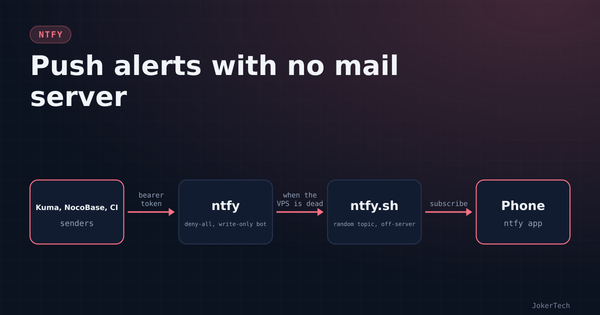
self-hosting I wanted my phone to buzz without running a mail server, so I picked ntfy Why ntfy beat Gotify, Pushover, Telegram and e-mail on my single VPS, how its users and tokens live in a .env file, and how alerts still arrive when the VPS is dead.
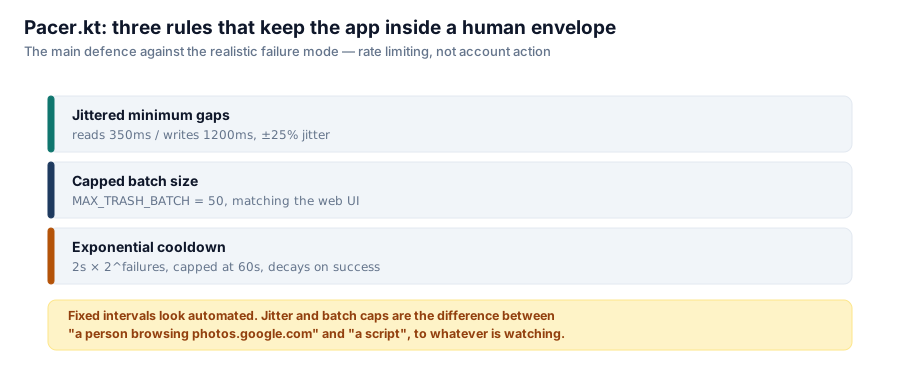
android Rate-Limiting Yourself Before Google Does It For You Pacer.kt exists for one reason: keep this app's request pattern inside the envelope a real person browsing photos.google.com would produce. Jittered gaps, capped batches, and an exponential cooldown that only decays on success.
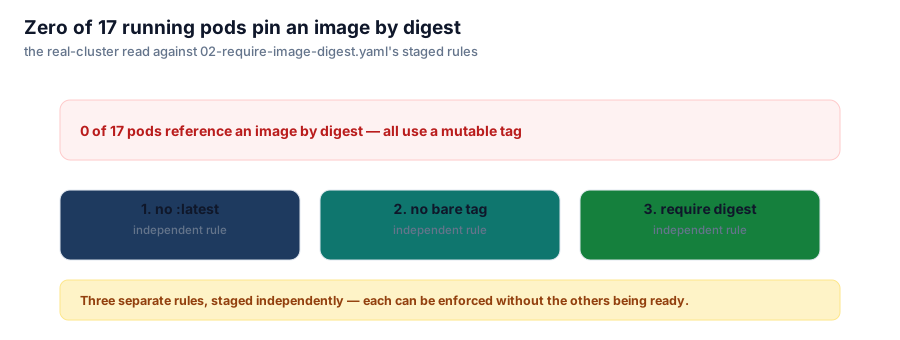
kyverno Zero of 17 Pods Pin a Digest A read-only Kyverno run against the real Pods in a namespace found 17 Pods and zero pinning an image by digest. That number is why the digest policy ships as three separate rules instead of one.
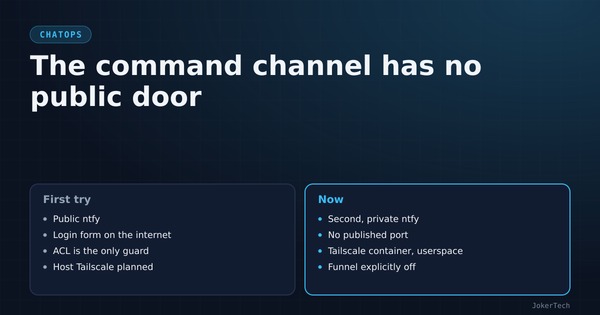
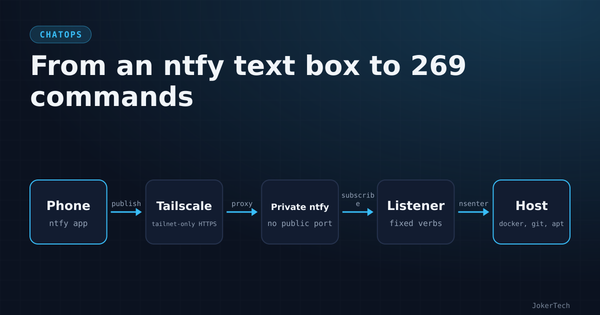
self-hosting A command channel nobody on the internet can reach: Tailscale in a container in front of a private ntfy Why my ChatOps commands go through a second, private ntfy with no public port, published to my tailnet only by a Tailscale container with Funnel switched off, and how the setup script gets there without me typing a hostname.
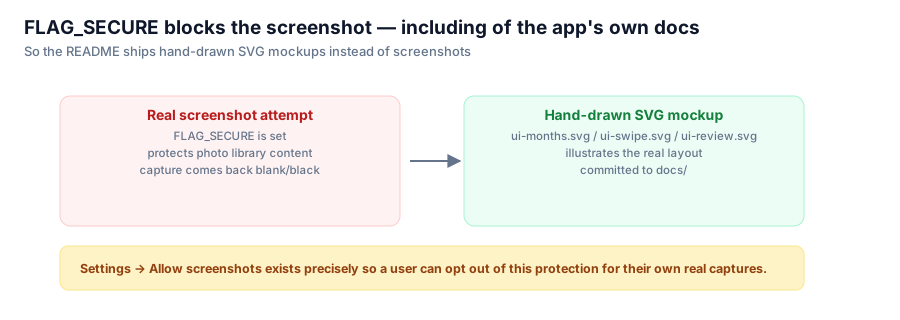
android Why This App's Own README Has Hand-Drawn SVG Screenshots FLAG_SECURE protects your photo library from screen capture — which also means a real screenshot of the app's own UI comes back blank. The docs use hand-made SVG mockups instead, and say so.
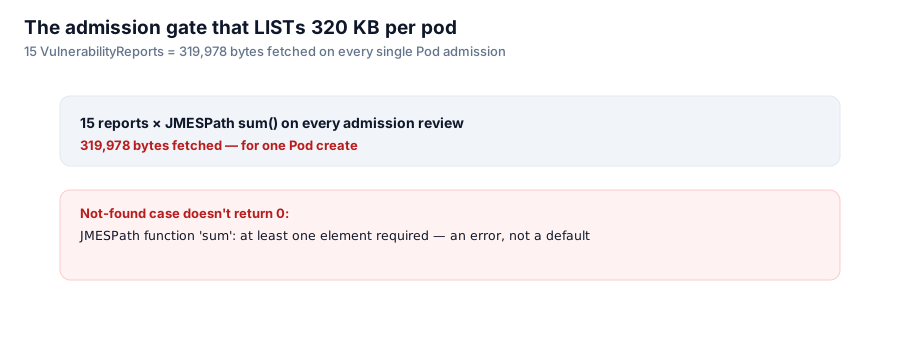
kyverno The Admission Gate That Lists 320 KB Per Pod A Kyverno policy that blocks Pods on CRITICAL CVE counts has to LIST every VulnerabilityReport in the namespace on every admission — 319,978 bytes for 15 reports. And the unscanned case, which should return zero, errors instead.
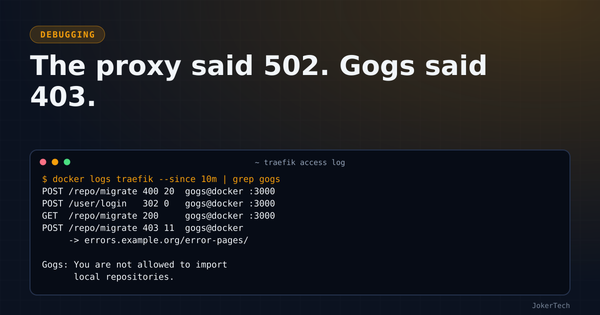
self-hosting The Bad Gateway that was really Gogs saying no Adding a GitHub mirror to Gogs kept failing with Bad Gateway. It took an hour, an SSH-key detour and a Traefik access log to find a plain 403 underneath.
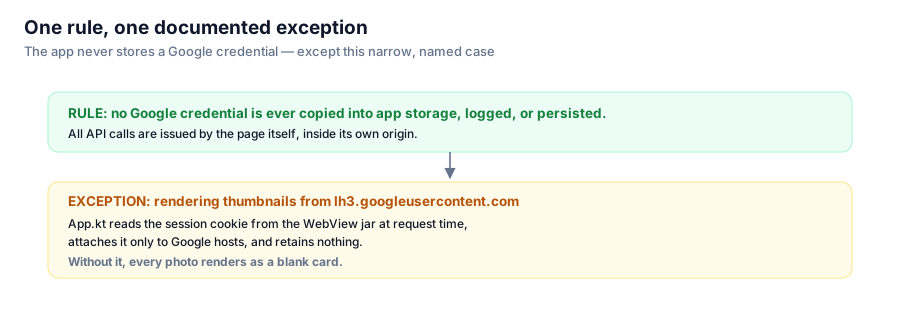
android Documenting Your One Deliberate Exception to Your Own Security Rule Photo Cleaner's rule is that it never stores a Google credential. Rendering private thumbnails from lh3.googleusercontent.com needed exactly one narrow, named exception — and it belongs in the README, not buried in a diff.
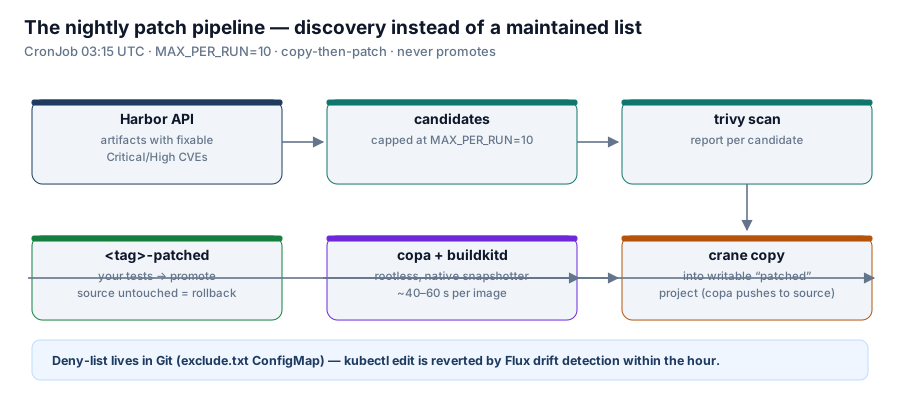
containers Patching Without a List: A Nightly Pipeline That Finds Its Own Targets Every image list you maintain by hand is stale the day after you write it. Our Copacetic pipeline discovers candidates from Harbor's own scan results instead.
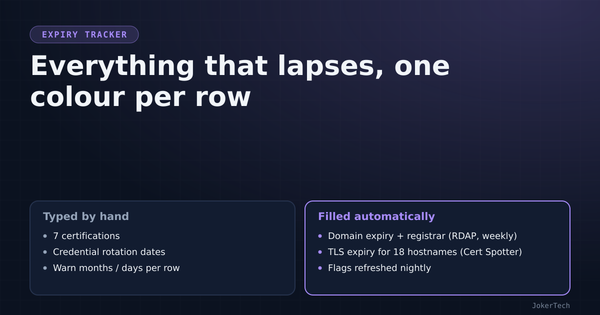
self-hosting The certificate tracker that started all this, and the API key it had to watch Professional certifications, domains, TLS certificates and API keys in one NocoBase expiry tracker, filled from RDAP and certificate-transparency logs, plus the test that deleted a real row.
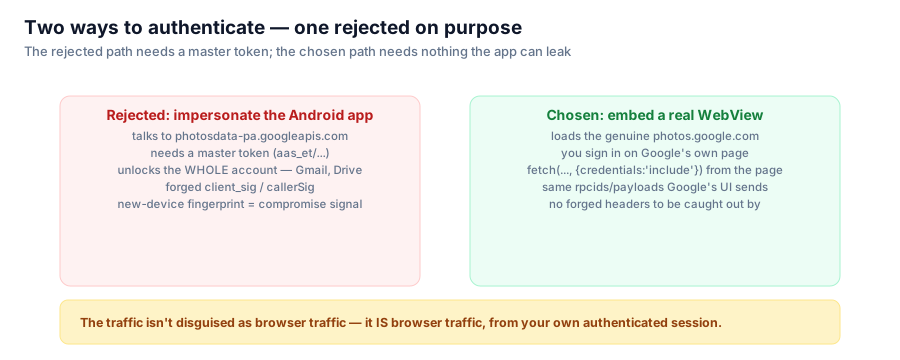
android The API I Didn't Use, and Why: WebView vs Impersonating the Android App Two ways to talk to Google Photos' private API: forge the Android app's own requests with a master token, or embed a real browser and let the page make the calls. Only one of them is a credential you'd want on a phone.
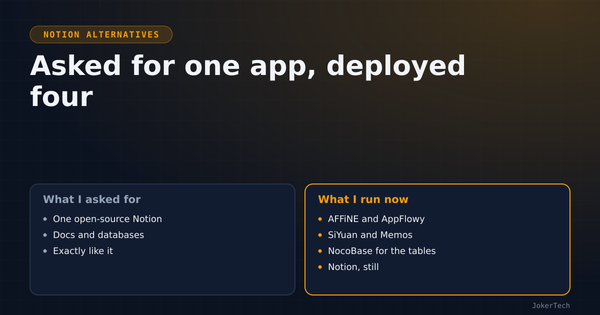
self-hosting I asked for an open-source Notion and ended up running four notes apps The honest history of looking for a self-hosted Notion: AFFiNE, AppFlowy, SiYuan and Memos all got deployed, and the structured stuff went somewhere else entirely.
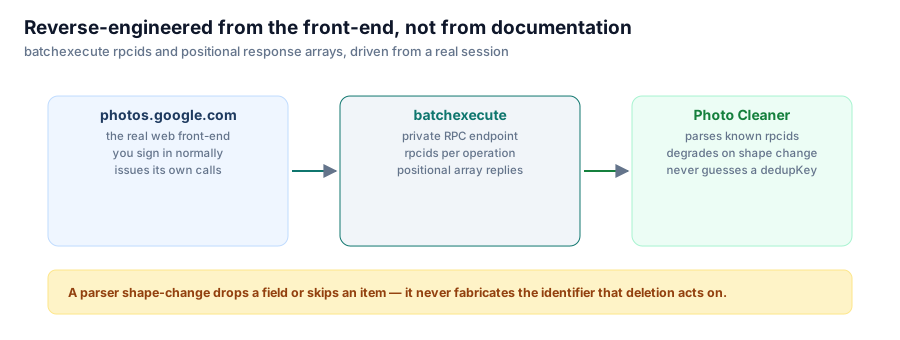
android Reverse-Engineering Google's Private batchexecute API How Photo Cleaner actually deletes photos: the same undocumented rpcid-based RPC endpoint photos.google.com's own front-end uses, driven from a real browser session.
self-hosting Why I run my VPS from a chat topic on my phone instead of SSH How a question about logging expenses from my phone became a ChatOps listener on a private ntfy server: rebuilt four times in a day, then broken in four instructive ways once it met the real server.
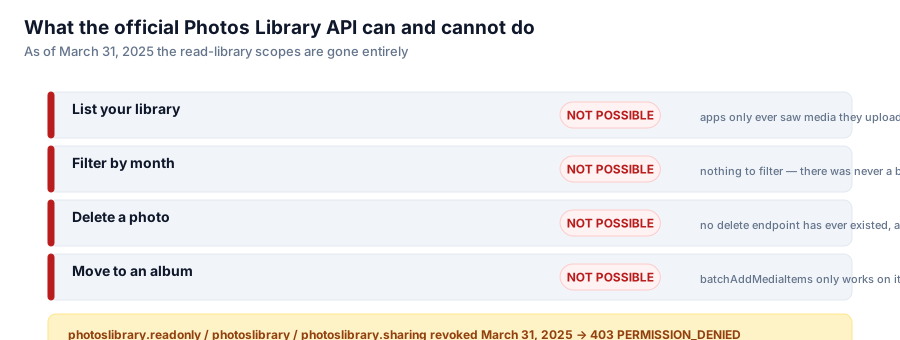
android There Is No Official Delete API for Google Photos The Photos Library API never had a delete endpoint, and on March 31, 2025 Google revoked the read-library scopes too — closing the loop entirely.